

11 - 14 Years, Key stage 3
Key Facts and Figures
84
days of school were missed for most children as a result of COVID-19.
7
of all children have Developmental Language Disorder (DLD)
66
of 7-14year olds with behaviour problems have a language difficulty.
66
of all children at risk of exclusion from school have SLCN.
Overview
Between the ages of 11-14, children’s speech, language and communication development becomes more gradual and increasingly sophisticated. You may notice that children begin using conjunctions such as ‘however’ and ‘meanwhile’ to form longer sentences, start to express complex thoughts and ideas, and change topic mid-conversation.
It’s around this age that children also begin to experiment with sarcasm as a form of humour and use slang terms when talking to friends. By age 14, most children are able to grasp idiomatic expressions such as ‘don’t put all your eggs in one basket’, hold conversations with adults, and engage with language in a more playful way.

Advice
As children begin to experiment with more complex ideas it’s important to give them freedom to express themselves in conversation. Have patience if they seem to take longer getting to the point, and be supportive if they struggle to stay on topic.
Encourage them to talk without feeling pressured by using simple conversation openers such as asking about their weekend, and ensure you give them the space to speak freely without interrupting or asking too many questions.
Help & support
f you’re concerned about your child’s speech, language and communication development, or simply seeking some support, there are a number of helpful organisations you can contact.
Ones we recommend include:
The Communication Trust (a database of commonly used intervention programmes and their evidence),
Speech and Language UK (a communication charity providing information, support and their child’s progress checker tool)
AFASIC (a parent-led initiative offering objective advice).

Resources
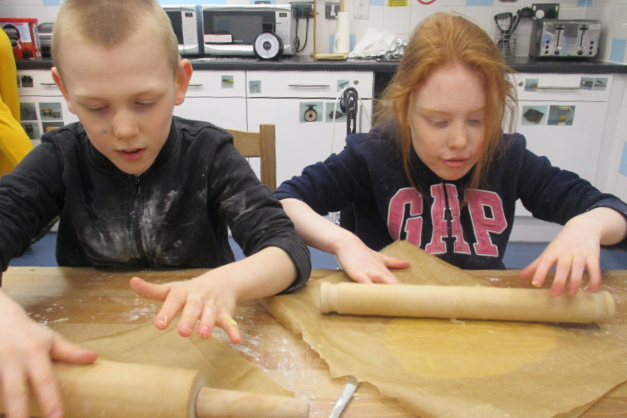
Discover our range of free online speech and language resources offering tips you can easily apply with your child at home.
Events and Training
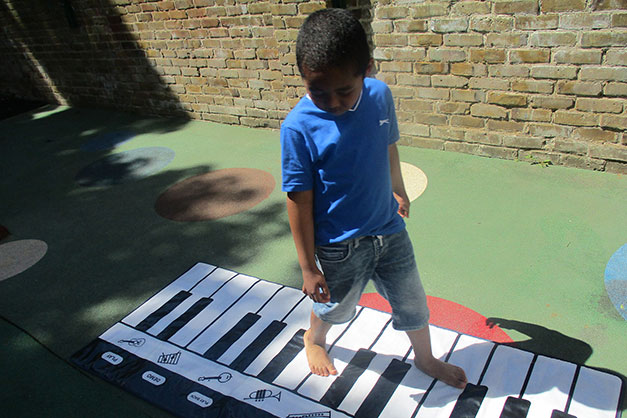
Advance your knowledge of speech, language and communication development and ways to support children’s skills by attending one of our events.