

7 - 11 Years, Key stage 2
Facts and figures
84
days of school were missed for most children as a result of COVID-19.
7
of all children have Developmental Language Disorder (DLD).
66
of 7-14year olds with behaviour problems have a language difficulty.
66
of children at risk of exclusion from school have SLCN (speech, language and communication needs).
Overview
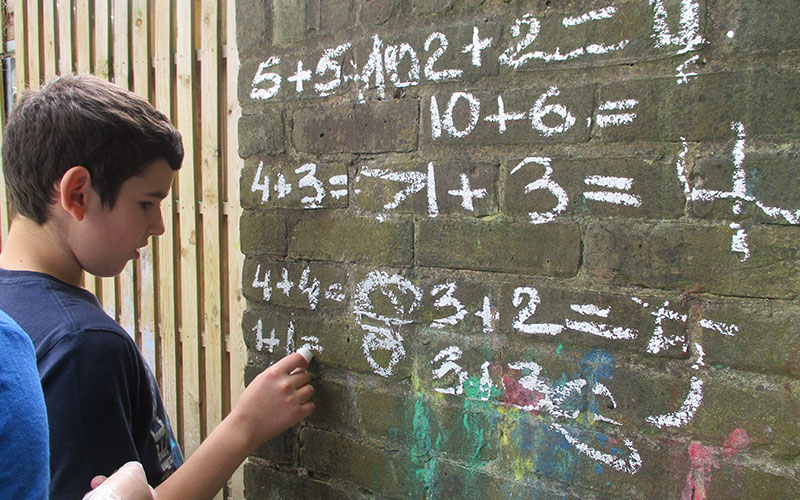
Between the ages of 7-11, children begin to grasp complex vocabulary, use language more playfully and understand that words can convey multiple meanings. You may notice that children make jokes, tell entertaining stories and become more expressive; particularly in the way they articulate feelings and the way in which they interact socially.
Children at KS2 also tend to recognise when something is grammatically incorrect and develop the confidence to ask for clarification when they don’t understand. The language they form during these formative years is the foundation of the communication skills that will take them into KS3 and eventually into adulthood.
Advice
At KS2 it’s important to encourage children to talk openly and show an interest when they do. Be enthusiastic and engaging when they initiate conversation and allow them time to form a reply.
Where possible, try to introduce complex words to expand their vocabulary, but be mindful to supplement these with simpler phrases the children know well. Most of all check that children understand what is being said and anchor conversations around topics they enjoy.
Help & support
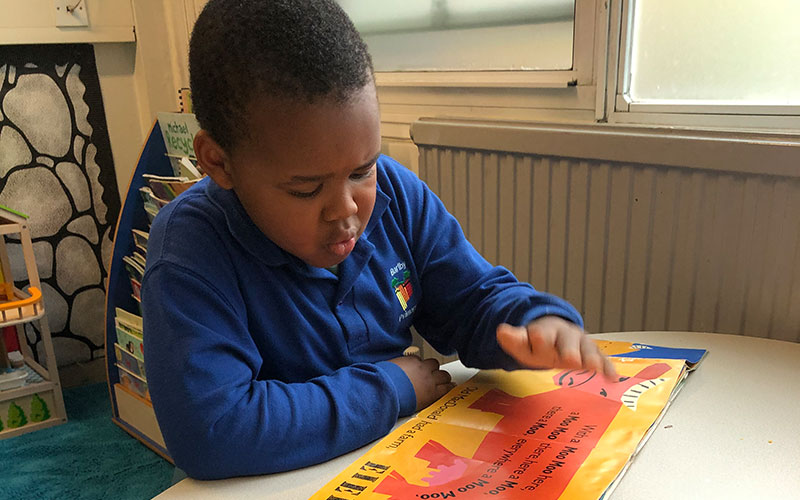
If you’re concerned about your child’s speech, language and communication development, or simply seeking some support, there are a number of helpful organisations you can contact.
Ones we recommend include:
The Communication Trust (a database of commonly used intervention programmes and their evidence),
Speech and Language UK (a communication charity providing information, support and their child’s progress checker tool)
AFASIC (a parent-led initiative offering objective advice).
Resources
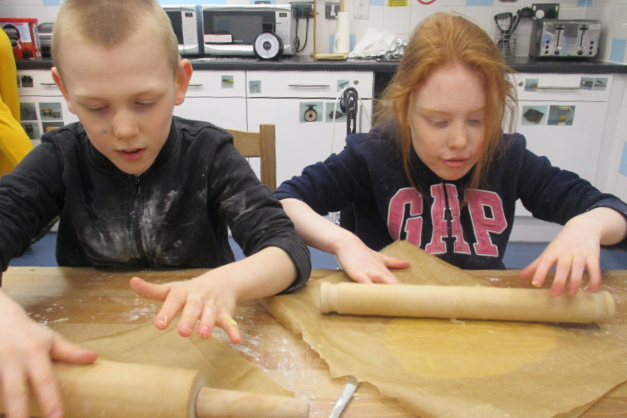
Discover our range of free online speech and language resources offering tips you can easily apply with your child at home.
Events and Training
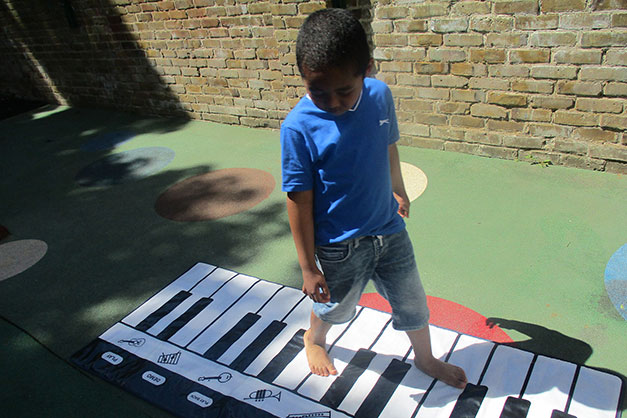
Advance your knowledge of speech, language and communication development and ways to support children’s skills by attending one of our events.